
In short
A lipoma is a benign collection of fatty tissue beneath the skin. It often feels soft and mobile. Not every lump is a lipoma, however, and lesions that grow rapidly, lie deep or have atypical features may require imaging or further investigation before surgery.
A lump that grows rapidly, is hard or fixed, lies deep or causes marked pain should be assessed promptly and not treated as a routine lipoma without prior investigation.
What happens at the examination
At the visit, the surgeon examines the lump's size, consistency, mobility and relationship to surrounding tissue. We determine whether it can be removed at the clinic or should be investigated further.
- Clinical examination of the lump
- Assessment of depth and size
- Decision on imaging if needed
- Plan for surgery and tissue analysis
Treatment options
The most suitable treatment is decided after an individual medical assessment.
After treatment
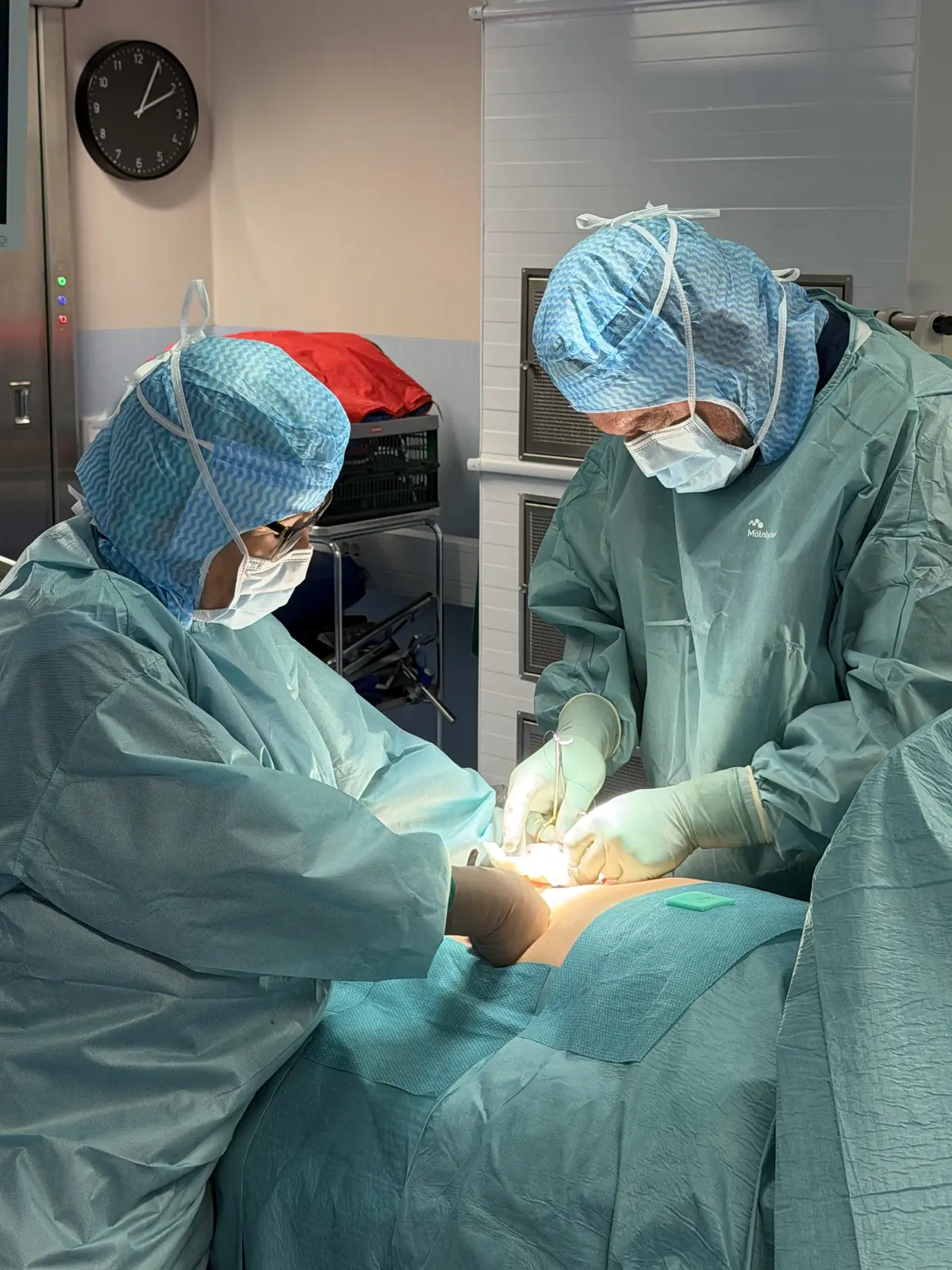
After surgery you receive a dressing and advice about activity. Sutures are removed according to an individual plan. Swelling, bruising and tenderness are common initially. Tissue analysis is performed when medically indicated.
Frequently asked questions
Does the lipoma need to be examined before surgery?
Yes. A clinical assessment is required to confirm that the procedure is appropriate and safe.
Can assessment and surgery take place on the same day?
This can sometimes be arranged for small, clearly defined lesions, but it must be agreed in advance.
Can a lipoma return?
A completely removed lipoma rarely returns in the same location, although new lipomas can develop elsewhere.
Can I drive afterwards?
This depends on the location and extent of the procedure and any medication used. Follow the instructions provided before your visit.
Medically reviewed by Dr Elias Tsiolis, specialist in general surgery, senior consultantUpdated 2026-10-25This text does not replace an individual assessment.