
In short
Proctology covers conditions affecting the rectum and anus. Similar symptoms may have different causes — such as haemorrhoids, an anal fissure, anal skin tags, irritation or infection — so a proper examination is important before treatment.
Seek urgent medical care if you develop heavy or persistent bleeding, fever, rapidly increasing pain or a clear deterioration in your general condition.
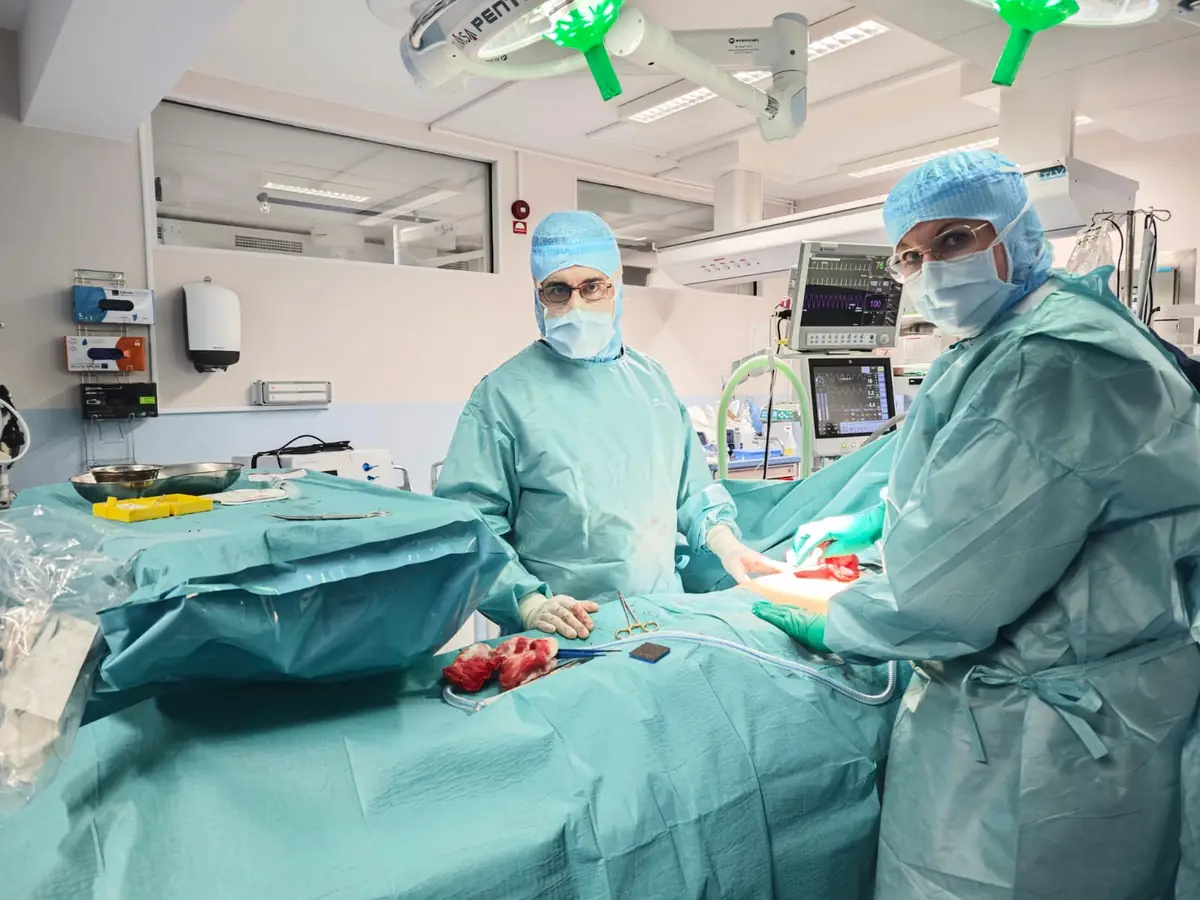
Gentle laser surgery
Laser treatment with the Leonardo laser
We treat haemorrhoids (LHP), anal fistulas (FiLaC) and pilonidal cysts (SiLaC) with a diode laser. The laser works from the inside through a thin fibre, with small wounds and usually a faster recovery.
Read about your condition
What happens at the examination
The visit begins with a discussion about your symptoms, bowel habits and previous treatments. This is followed by a gentle external examination and, when indicated, examination of the anal canal and rectum with proctoscopy and/or rectoscopy.
- Discreet consultation in a calm setting
- Inspection and palpation
- Proctoscopy and/or rectoscopy when indicated
- Clear diagnosis and treatment plan
Treatment options
The most suitable treatment is decided after an individual medical assessment.
After treatment
Tenderness and minor bleeding may occur after smaller proctological procedures. You receive individual advice on pain relief, hygiene, bowel movements and physical activity, as well as information on when to contact us.
Frequently asked questions
Do I need a referral?
No. You can book a specialist assessment directly.
Which anal conditions do you assess?
We assess haemorrhoids, anal skin tags, anal fissures, mucosal prolapse and pilonidal disease, as well as symptoms such as bleeding, pain, itching and leakage.
How should I prepare for the visit?
No special preparation is usually required. Bring your medication list and details of previous examinations or treatment. We will tell you in advance if anything else is needed.
Does the examination hurt?
The examination is adapted to your symptoms and performed as gently as possible. Tell us immediately if you are in significant pain.
What are proctoscopy and rectoscopy?
Proctoscopy uses a short instrument to examine the anal canal and lowest part of the rectum. Rectoscopy allows a longer section of the rectum to be assessed. The examination is selected according to symptoms and clinical findings.
Is rectal bleeding always caused by haemorrhoids?
No. Bleeding has several possible causes. New, recurrent or unexplained bleeding should be assessed before it is assumed to be haemorrhoids.
Can haemorrhoids be treated on the same day?
In some cases, a minor treatment can be performed in connection with the assessment, but this must be planned and is decided after examination.
When should I seek emergency care?
Seek emergency care for heavy bleeding, faintness, fever with rapidly increasing pain, or a painful prolapse that cannot be reduced.
Medically reviewed by Dr Elias Tsiolis, specialist in general surgery, senior consultantUpdated 2026-10-25This text does not replace an individual assessment.